Skip to content
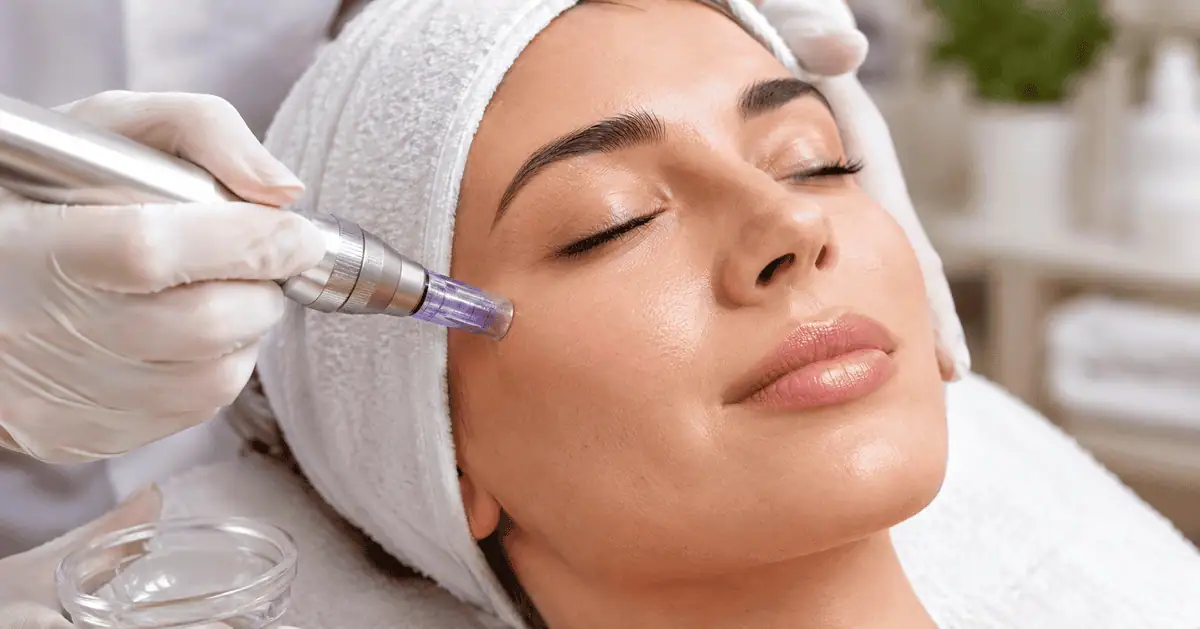
Table of Contents
If you have ever run your fingers across your cheek and wished the surface felt a little smoother, a little more even, you are far from alone. Rough patches, dull spots, and subtle changes in texture that show up over time are among the most common things people quietly notice in the mirror. That is where Microchanneling at Posh Aesthetics and Wellness comes in.
Why does Microchanneling improve skin texture?
Microchanneling improves skin texture by prompting your skin’s own repair response. The tiny channels signal your body to produce more collagen and elastin, the proteins that keep skin firm and smooth.
What Is Microchanneling?
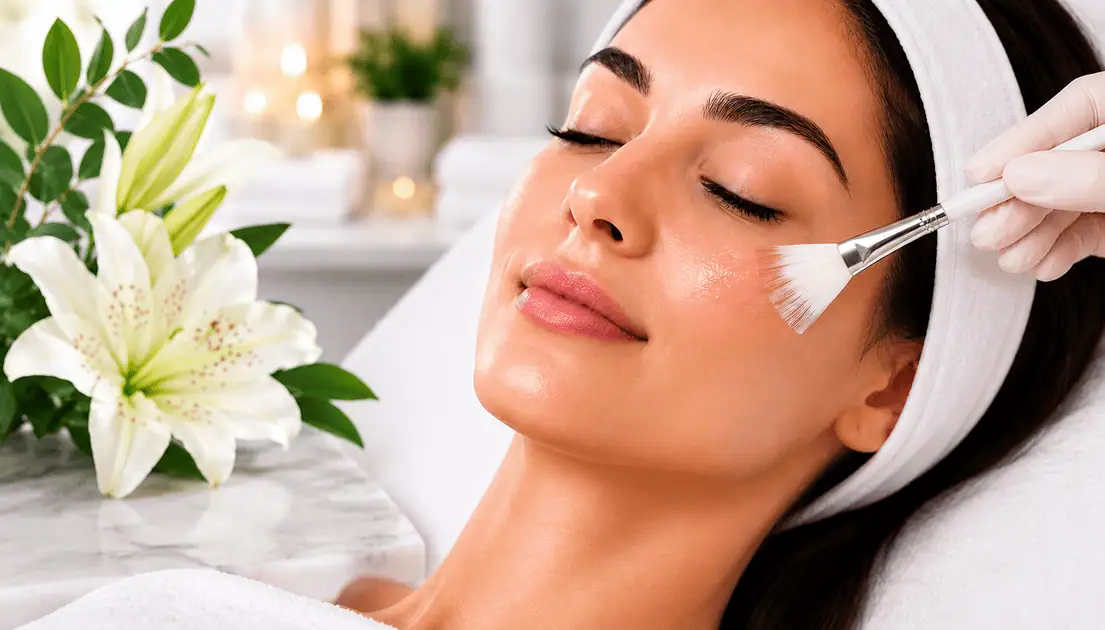
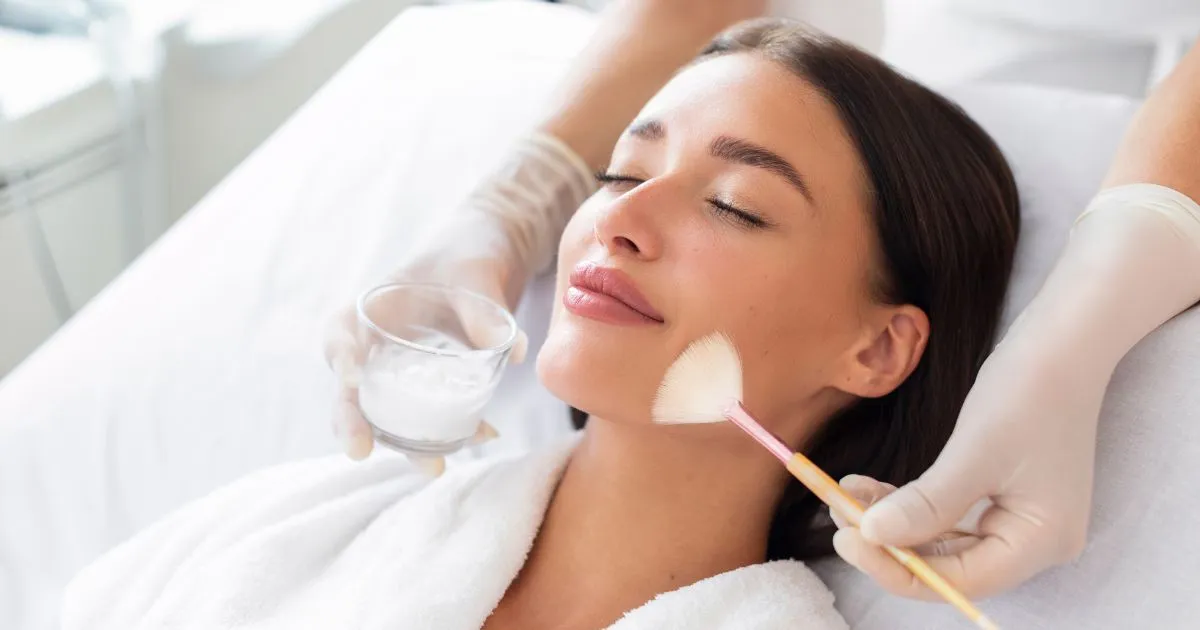
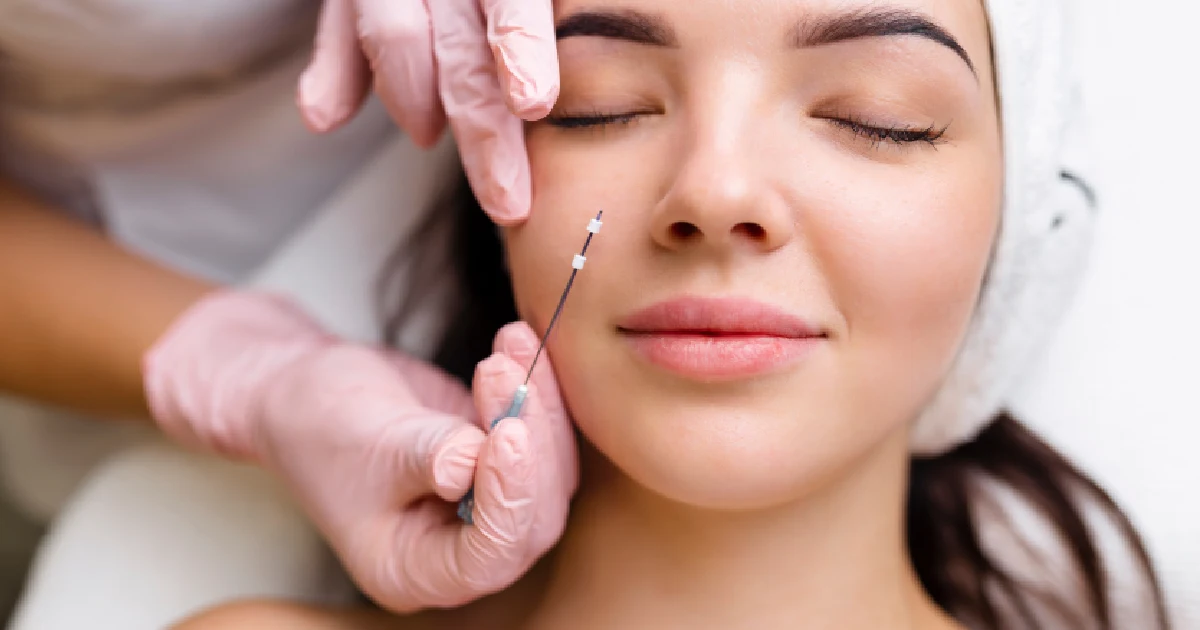
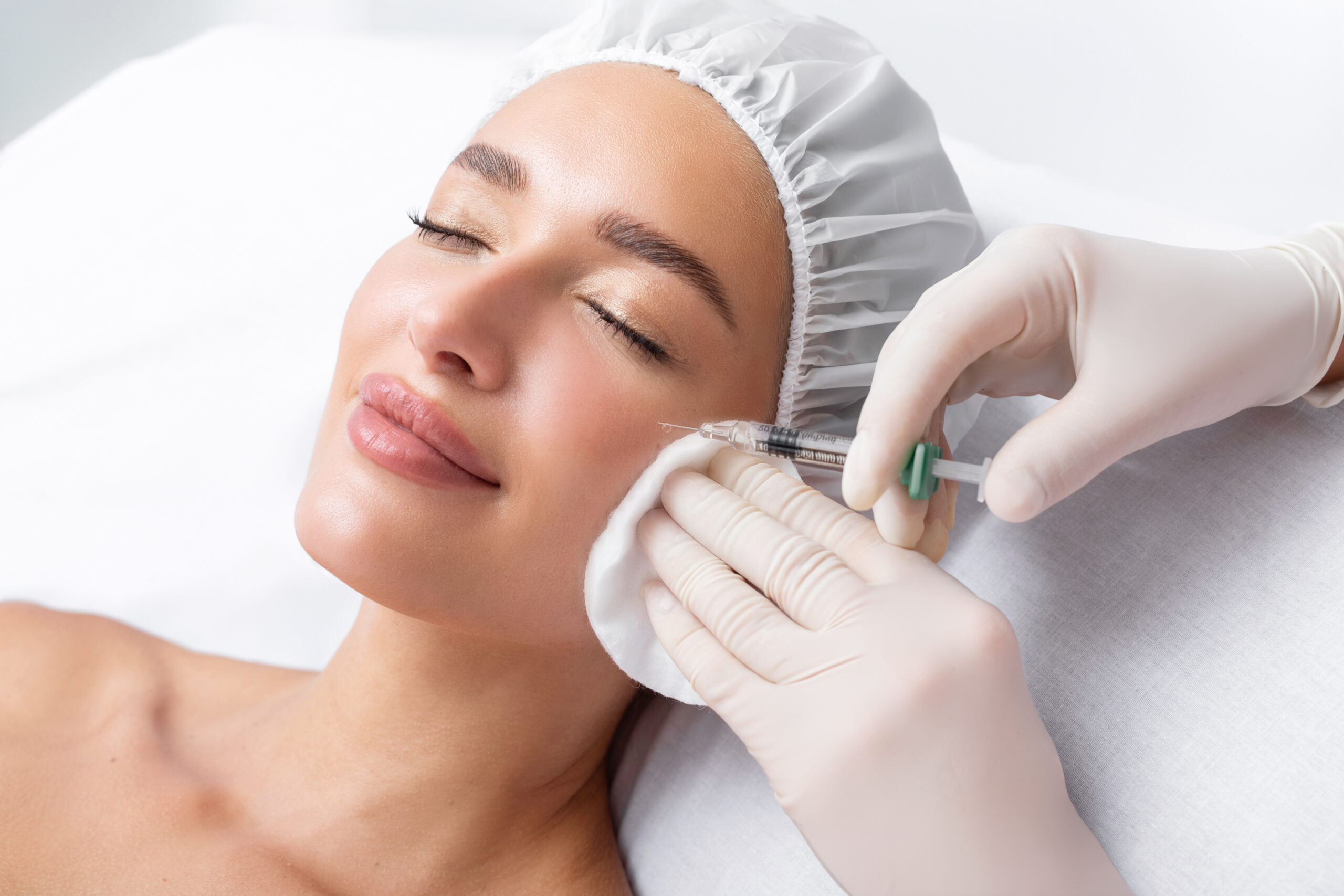
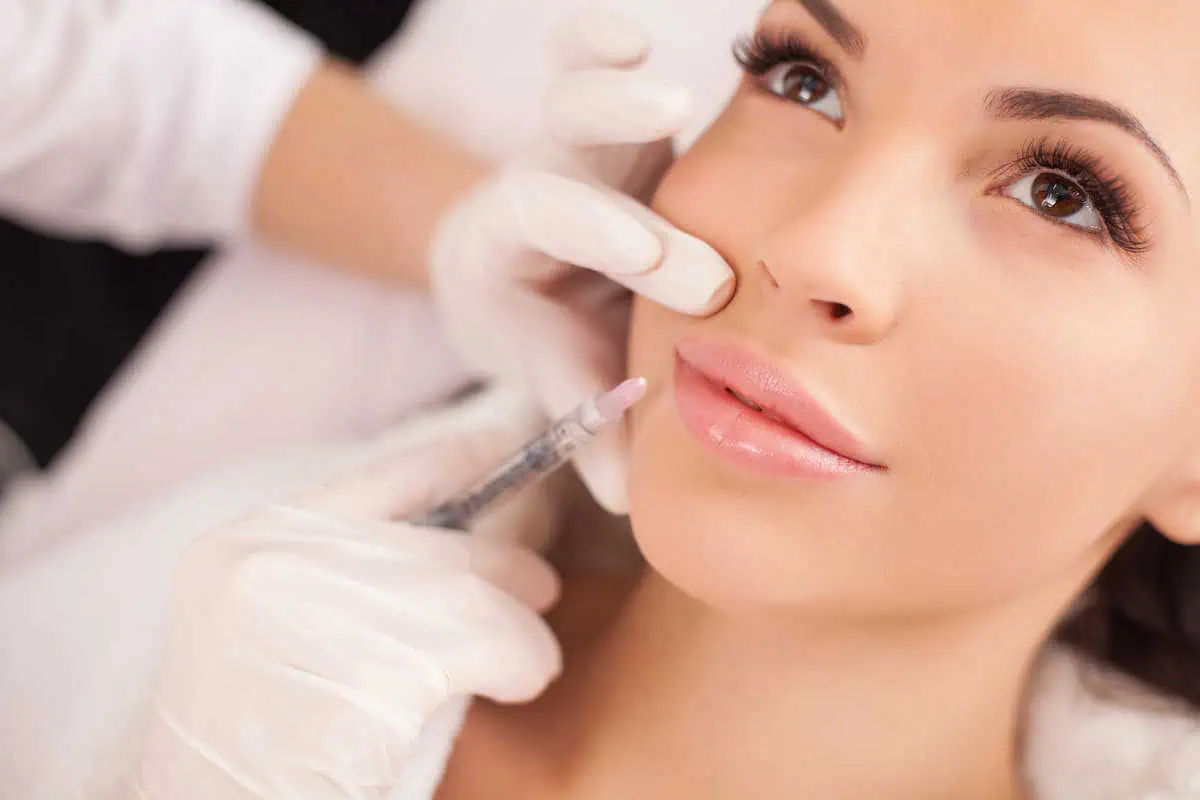
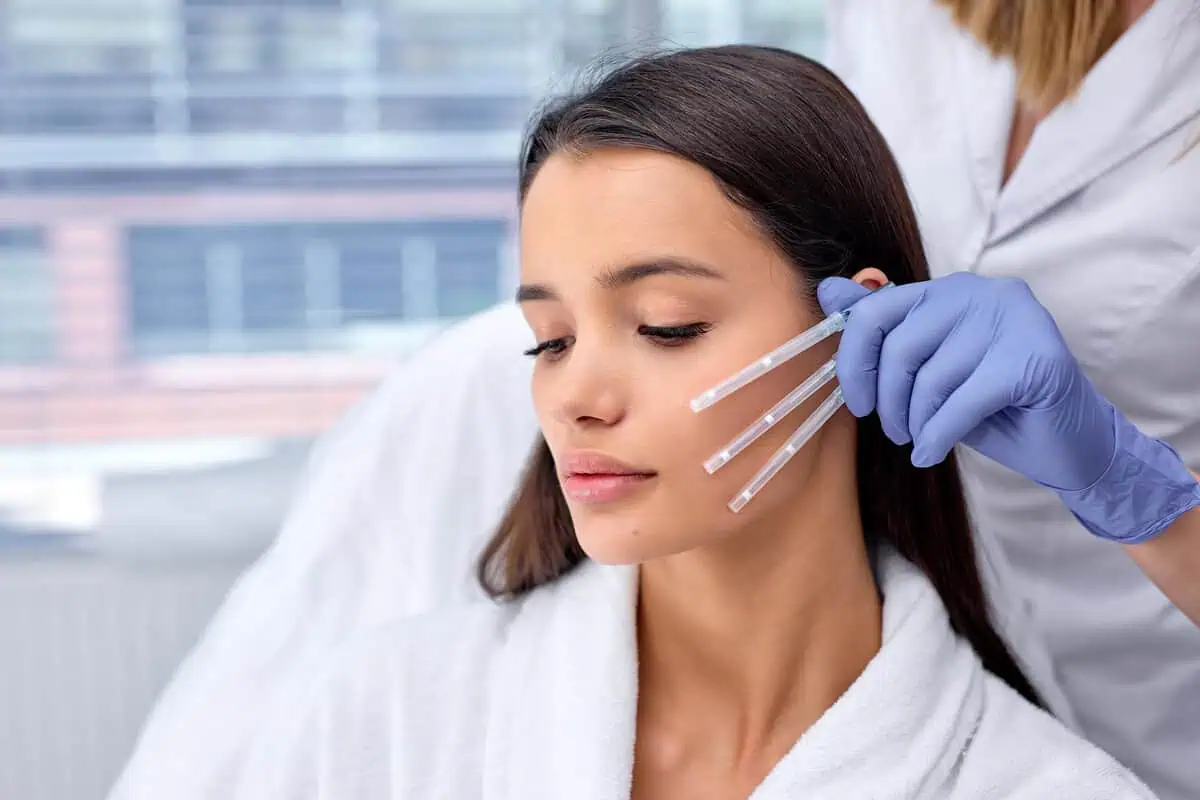
Microchanneling is a minimally invasive, in-office treatment that uses a device with very fine needles or pins to create microscopic channels in the skin’s upper layers. These channels are tiny, far smaller than anything you could see, and they are made in a careful, controlled way rather than at random.
It is closely related to microneedling, and the two terms are often used interchangeably. What sets microchanneling apart from many practices is that the fine channels are often paired with a targeted serum, which is delivered directly through those openings when the skin is most receptive.
The treatment is non-surgical, and no artificial material is left behind in the skin afterward. Here is the simplest way to think about it. Your skin is built to respond to small disruptions by repairing them.
When the device creates these tiny channels, your skin reads them as something to mend, and it quietly gets to work. That response is the whole point of the treatment, and it is where the real improvement in texture begins.
How Microchanneling Works to Improve Texture
Microchanneling improves texture by prompting your skin’s own natural healing response. When those microscopic channels are created, your body treats them as a signal to begin repairing, and that signal sets off a chain of events beneath the surface.
The most important part of that chain is increased collagen and elastin production. These are the two proteins most responsible for keeping skin firm, springy, and smooth, and they tend to slow down as we age.
This is exactly why the treatment is sometimes called collagen induction therapy. As your skin rebuilds its supply of these proteins, fresh collagen gradually fills in and softens uneven areas, refining the surface and evening out how your skin looks and feels.
The channels play a second helpful role, too. Because they create a temporary pathway into the skin, any serum applied during the treatment can reach deeper than it would on intact skin, where most products simply sit on the surface.
That combination- your own collagen rebuilding while nourishing ingredients are delivered where they matter- is what makes microchanneling such an effective approach to skin rejuvenation.
Why “Natural” Is the Right Word for It
The word “natural” is used loosely in skincare, but here it actually fits. Microchanneling does not add filler, resurfacing chemicals, or any foreign material to create your result. There is nothing injected to plump the skin and nothing stripped away to force a change.
Instead, the improvement comes entirely from your skin rebuilding itself using its own collagen. That is a meaningful distinction, and it is also why the results tend to arrive gradually rather than overnight. New collagen takes time to form and mature, so the smoothing effect develops over the following weeks as your skin quietly does its work.
Many patients describe the outcome similarly. Rather than looking altered or overdone, their skin simply looks like their own skin, just healthier and more refined. For anyone who feels cautious about aggressive treatments, that gentle, gradual quality is often the most reassuring aspect.
The Texture Concerns Microchanneling Can Help With
Because it works by rebuilding collagen and refining the surface, microchanneling can help with several of the texture concerns people most often want to address:
- Rough, uneven, or dull-looking skin that has lost some of its glow
- The appearance of enlarged pores, which can look softer as the surrounding skin firms
- Fine lines and early signs of aging, where a boost in collagen tends to help most
- Certain types of scarring, which are sometimes considered part of an acne scar treatment plan
It is worth being honest here. Results vary from person to person and from concern to concern, and no single treatment erases everything. Deeper scarring or more stubborn texture issues may respond more slowly or may be better paired with other approaches. A good provider will tell you plainly what microchanneling is likely to do for your specific skin, and what it is not.
What Skin Texture Improvement Actually Looks Like Over Time
Knowing what to expect makes the whole experience feel less uncertain. Right after treatment, most people notice their skin looks a little flushed, similar to a mild sunburn, and it may feel slightly warm. This is a normal sign that your skin has received the signal to begin repairing, and it typically settles within a day or so.
The real change happens more quietly, beneath the surface. Collagen remodeling builds gradually over several weeks, so the smoother, more refined texture tends to reveal itself over time rather than the moment you leave the office. Most patients notice their skin looking fresher and feeling softer as those results develop.
For that reason, providers often recommend a short series of sessions rather than a single visit, since collagen continues to respond with each treatment. Your provider can help you understand what a realistic timeline for your goals looks like during a consultation about microchanneling in Reading, MA.
Common Questions About Microchanneling
- Is microchanneling the same as microneedling? They are closely related and share the same core idea of creating tiny channels to stimulate collagen production. Microchanneling often refers to the pen-style approach paired with a serum, though many people use the terms interchangeably.
- Who tends to be a good candidate? People bothered by rough texture, dullness, enlarged pores, or early fine lines are often good candidates. A consultation is the best way to confirm it suits your skin.
- How is it different from a chemical peel or a laser treatment? Peels and lasers primarily resurface or heat the skin, while microchanneling works through controlled microchannels and your own collagen response. Our provider at Posh Aesthetics and Wellness can explain which one fits your goals.
Glow Up Your Skin
At Posh Aesthetics and Wellness, we love helping patients rediscover smoother skin in a way that works with their body, not against it. If you are curious whether microchanneling is right for your texture goals, we would be glad to talk it through and build a plan around your skin. Book your microchanneling consultation today!